September 29, 2026
Methylated SEPT9 DNA Blood Test: A Plasma-Based Real-Time PCR Assay for Colorectal Cancer Screening and Pre-Colonoscopy Triage in Adults Who Do Not Complete Colonoscopy or Stool Testing
HONG KONG, China — September 29, 2026 — Red Sun Medizone today announced the availability of a CE-marked in vitro diagnostic (IVD) real-time PCR kit that detects methylated SEPT9 DNA in plasma — a circulating tumour-derived methylation marker for colorectal cancer. The kit is intended for colorectal cancer blood screening and pre-colonoscopy triage in adults who are eligible for colorectal screening but have not completed, or will not complete, colonoscopy or stool-based testing. It requires a single 10 mL blood draw, reports a result in approximately six hours, and runs on the standard real-time PCR instruments already installed in most molecular laboratories.
Key facts at a glance
- Analyte: methylated human SEPT9 DNA, reported qualitatively
- Specimen: 10 mL whole blood; plasma separated within 2 hours of collection
- Method: circulating cell-free DNA extraction, bisulfite conversion, then methylation-specific multiplex real-time PCR
- Detection channels: SEPT9 (FAM) and internal control ACTB (CY5), read in a single reaction
- Result logic: SEPT9 Ct below 35 with ACTB Ct below 35 reports positive; ACTB Ct of 35 or above marks the specimen invalid
- Limit of detection: 30 pg/mL detected in 20 of 20 replicates
- Precision: Ct coefficient of variation 1.68%–2.59% (3 lots, 20 days, twice daily)
- Turnaround time: approximately 6 hours, with roughly 2 hours of hands-on work in a manual workflow
- Instrumentation: any real-time PCR platform with FAM and CY5 detection channels
- Regulatory status: CE-marked IVD under Directive 98/79/EC (Annex III)
- Kit configurations: 20, 50 or 100 tests, in liquid or lyophilised format
The clinical problem: screening fails at completion, not at the test
Colorectal cancer is the third most commonly diagnosed cancer worldwide and the second leading cause of cancer-related death [2]. GLOBOCAN 2022 data [1,3] record 1,926,425 new colorectal cancer cases and 904,019 deaths worldwide in 2022, with projections of approximately 2.36 million new cases annually by 2050 if incidence rates remain unchanged [3]. Incidence is also shifting: colorectal cancer now ranks first among cancers in US adults younger than 50 years, with rates rising by 3% annually in adults aged 20–49 while falling in adults aged 65 and older [4].
Colorectal cancer is unusual among major cancers in that it is highly curable when found early and develops through a well-characterised adenoma–carcinoma sequence, giving screening a long window in which to intervene [12]. The US Preventive Services Task Force recommends screening in all adults aged 45 to 75 years [5]. The binding constraint is therefore not the availability of a test — it is whether the recommended test is actually completed.
Two distinct drop-offs break the screening chain. The first is at the initial offer: colonoscopy requires bowel preparation, sedation, time away from work and transport arrangements. The second is worse and less discussed — even after a positive primary screen, a substantial proportion of participants never reach diagnostic colonoscopy. An interview study of participants who declined follow-up colonoscopy after a positive stool test identified 42 distinct reasons in nine categories, including practical barriers, discomfort, multimorbidity and distrust in the accuracy of the initial test; the authors concluded that several of these practical barriers could be addressed by offering participants alternative procedures [6].
It is important to state the counter-evidence plainly. A 2023 systematic review of 21 studies comparing colonoscopy and stool-based testing with alternative screening modalities found that differences in uptake did not reach statistical significance in most included studies, and concluded that current evidence does not demonstrate a clear acceptability advantage for novel modalities [7]. A 2025 modelling study reached a related conclusion on cost: in a Chinese screening context, non-invasive biomarker-based tests became cost-effective only if test costs fell below approximately US$132, or if colonoscopy uptake rose above 50–70% [8]. A blood-based test is therefore best understood not as a guaranteed uplift in participation, but as an additional entry point for a defined population that current strategies do not reach — a claim the evidence supports without overreach.
What the assay measures: circulating methylated SEPT9 DNA
The marker was identified through genome-wide methylation marker discovery for blood-based colorectal cancer screening, in which SEPT9 was selected from an initial panel of 56 candidate markers on the strength of its plasma performance [9]. It was subsequently validated in plasma case–control studies [10,11] and has since become the most extensively studied blood-based methylation marker in colorectal cancer.
SEPT9 (Septin 9) is a GTP-binding septin involved in cytokinesis and cytoskeletal organisation. It is overexpressed across a wide range of human tumours, and its silencing is driven by promoter hypermethylation. Independent work has shown that SEPT9 promoter methylation distinguishes adenomas and colorectal cancer from control tissue, and distinguishes advanced from non-advanced adenomas; the histologic transition from adenoma to carcinoma is accompanied by amplification of the SEPT9 gene locus [12]. This places the marker on the causal pathway of the disease rather than merely alongside it.
Why methylation rather than mutation. Cancer-specific methylation arises early in tumorigenesis, is stable over time, occurs in defined genomic regions, and yields an amplifiable signal from the small quantities of cell-free DNA present in plasma — which is why it can be measured reliably in blood rather than only in tissue [9,12].

How the test works, and where it fits in the workflow
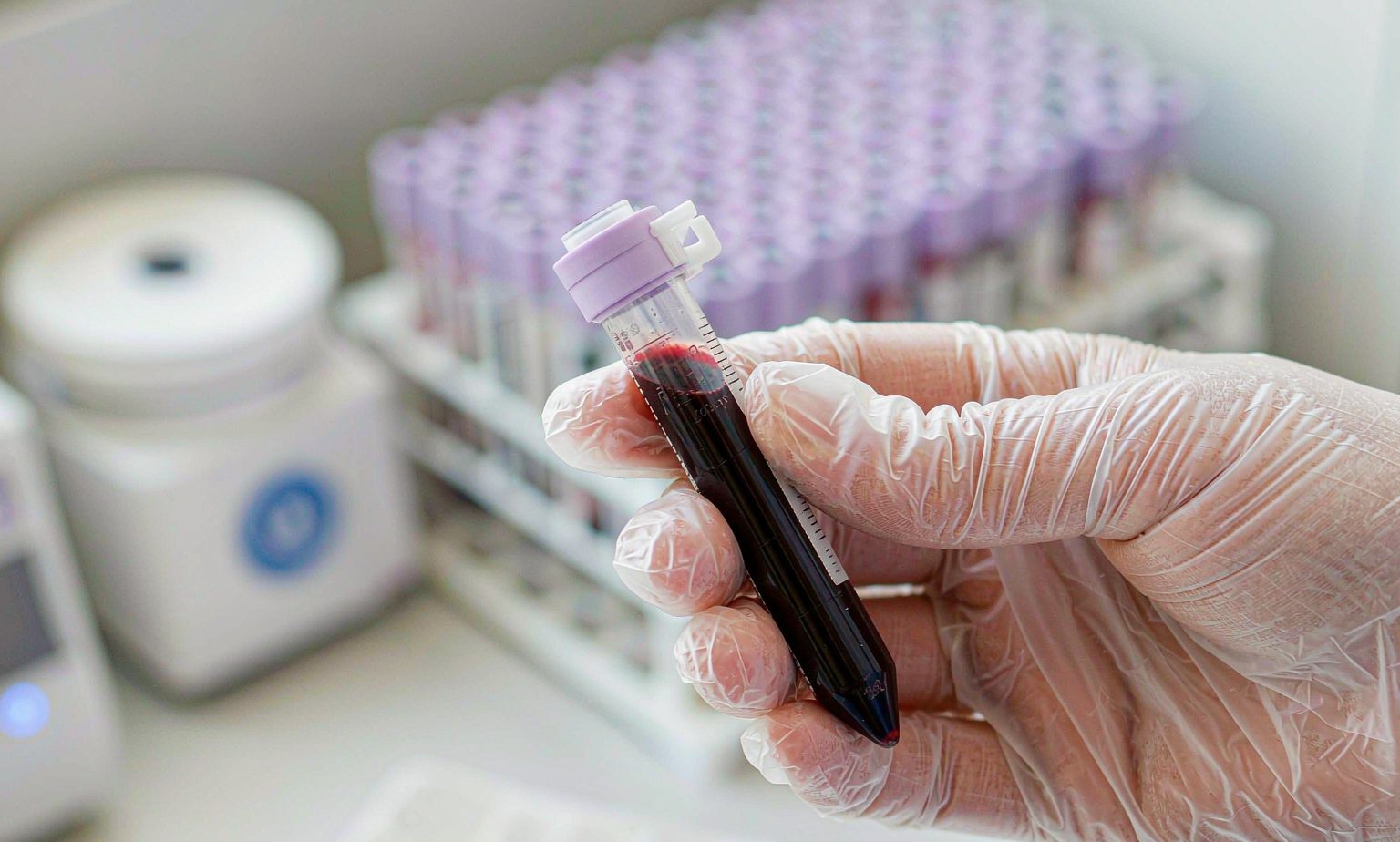
Ten millilitres of whole blood is collected, and plasma is separated within two hours so that the circulating DNA measured reflects the in-vivo state rather than ex-vivo degradation. Cell-free DNA is extracted and treated with bisulfite, converting unmethylated cytosine to uracil while leaving methylated cytosine unchanged, so that the two methylation states become sequence-distinguishable. Methylation-specific primers and probes then amplify SEPT9 in the FAM channel alongside the ACTB internal control in CY5, in a single multiplex real-time PCR reaction.
Result interpretation follows the instructions for use. A SEPT9 Ct below 35 with an ACTB Ct below 35 is reported as positive. An ACTB Ct of 35 or above marks the specimen invalid, requiring re-extraction and repeat testing — this separates a true negative from a failed specimen rather than reporting a false negative. External positive and negative controls are run with every batch.
Workflow and logistics. Total turnaround is approximately six hours, comprising roughly four hours for DNA extraction and bisulfite modification, thirty minutes for post-modification purification, ninety minutes for real-time PCR, and Ct analysis. Extracted DNA is stable at 2–8 °C for 48 hours and at ≤ –20 °C for 12 months, and tolerates up to five repeated freeze–thaw cycles. No equipment beyond a real-time PCR instrument with FAM and CY5 channels is required.
A methodological point that materially affects performance: published mSEPT9 sensitivity varies partly because assays require one, two or three positive PCR replicates out of three to call a sample positive. A pooled analysis of 25 studies found that the 1-of-3 algorithm gives the highest sensitivity, while the 2-of-3 and 3-of-3 algorithms give the best balance between sensitivity and specificity [18]. Because fewer required replicates raise sensitivity and lower specificity, the calling rule should be agreed explicitly between the laboratory and the clinician and stated in any validated protocol.
Analytical performance
- Limit of detection. SEPT9-positive control DNA spiked into pooled healthy plasma matrix, 20 replicates per level: 50, 40 and 30 pg/mL detected in 20 of 20 replicates; 20 pg/mL in 17 of 20; 10 pg/mL in 12 of 20; no detection at 0 pg/mL.
- Specificity against methylated controls. Six methylated reference markers outside the detection range — RAR-β, HOXA9, MGMT, APC, P16 and CDH13 — were all negative.
- Specificity against non-human and clinical material. E. coli and S. aureus DNA, other intestinal diseases, adenoma and other digestive-tract cancers were all negative.
- Interference. No impact on any sample across three replicates each for bilirubin 4 mg/dL, triglyceride 500 mg/dL, haemoglobin 10 g/dL, 5-fluorouracil 120 mg/mL, oxaliplatin 26 mg/mL and calcium folinate 120 mg/mL.
- Precision. Ct coefficient of variation of 1.68%–2.59% using reference material at 2,500 and 100 copies per test across three lots, 20 days and two runs per day.
- Controls. One positive and one negative external control per run, plus the ACTB internal control; positive control Ct ≤ 35 in both FAM and CY5 with S-shaped amplification curves, negative control with no amplification.
The interference panel is worth attention in this indication. Colorectal screening blood is frequently drawn from patients already receiving cytotoxic therapy, and haemolysed samples are common. Demonstrating no interference from 5-fluorouracil, oxaliplatin, leucovorin, bilirubin or free haemoglobin is what makes the assay usable in a real oncology-adjacent population rather than only in healthy volunteers.
Clinical performance: the developer's multi-centre evaluation
In a multi-centre clinical evaluation in which 1,026 valid clinical specimens were collected across three tertiary referral centres, the group-level results reported for the colorectal cancer and comparator groups were as follows.
| Patient group | n | Positive | Negative | Reported performance |
|---|---|---|---|---|
| Colorectal cancer, pre-operative | 73 | 54 | 19 | Sensitivity 73.97% |
| Adenoma and other benign colorectal disease | 74 | 15 | 59 | Specificity 79.73% |
| Other malignant tumours | 104 | 3 | 101 | Specificity 97.12% |
| Healthy individuals | 47 | 0 | 47 | Specificity 100% |
| Non-related disease group, subtotal | 225 | 18 | 207 | Specificity 92.00% |
| All specimens in this analysis | 298 | 72 | 226 | — |
Source: developer's product clinical evaluation data, as reported in the product instructions for use, version V2.4 (2024). Reference standard: clinical diagnosis of colorectal cancer. This is the developer's own documentation and has not been independently peer reviewed; it is presented separately from the published literature that follows. Hospital names, site identifiers and specimen-level records are available to qualified laboratories on request and are omitted here.
Three observations follow directly from those counts. Of the 72 positive results in this analysis, 54 came from confirmed colorectal cancer, 15 from adenoma or other benign colorectal disease and 3 from other malignant tumours. No false positives occurred among the 47 healthy individuals. And the assay's relative weakness is stated plainly in the same dataset: specificity falls to 79.73% in the adenoma and benign colorectal disease group — the same lesion-level limitation reported consistently across the mSEPT9 literature, and the reason the test is positioned as a triage step rather than a substitute for colonoscopy.
Peer-reviewed evidence retrievable on PubMed
Every study below is retrievable on PubMed under the identifier given, and full citations with DOIs appear in the reference list. Several of the marker's foundational studies were conducted by its original commercial developer; those are described neutrally, and the systematic reviews and meta-analyses are independent of it.
Prospective screening performance
- PRESEPT — the largest prospective evaluation of the marker — enrolled 7,941 asymptomatic average-risk adults aged 50 years or older at 32 clinics in the United States and Germany, with blood drawn before bowel preparation and assayed in three blinded laboratories. Evaluable results from 53 colorectal cancer cases and 1,457 subjects without colorectal cancer gave a standardised sensitivity of 48.2% (95% CI 32.4–63.6) and a specificity of 91.5% (95% CI 89.7–93.1). Sensitivity by stage was 35.0% (stage I), 63.0% (stage II), 46.0% (stage III) and 77.4% (stage IV). Sensitivity for advanced adenomas was low at 11.2%. The authors' own conclusion was that the test's utility for population screening would require improved sensitivity for early cancers and advanced adenomas. (PMID 23408352) [13]
- An earlier plasma case–control study reported 72% sensitivity at 93% specificity in a training set of 97 colorectal cancer cases and 172 colonoscopy-verified controls, and 68% sensitivity at 89% specificity in an independent blinded testing set of 90 cases and 155 controls. (PMID 19406918) [11]
- The original plasma validation reported that SEPT9 methylation was detected in 69% (95% CI 60–77) of plasma samples from colorectal cancer patients and was not detected in 86% (95% CI 80–91) of controls. (PMID 18089654) [9]
- An early study using an additional measurement replicate reached 72% sensitivity (90 of 125 colorectal cancers detected) at 90% specificity in its testing set, with a polyp detection rate above 1 cm of approximately 20%. (PMID 19018278) [10]
Pooled diagnostic accuracy
- A meta-analysis of 22 studies including 2,271 colorectal cancer patients reported pooled sensitivity 0.69 and specificity 0.92, with a positive likelihood ratio of 8.1, a negative likelihood ratio of 0.34 and an area under the ROC curve of 0.89. Diagnostic value was higher when mSEPT9 was combined with faecal occult blood or faecal immunochemical testing than for mSEPT9 alone, and positivity increased with colorectal cancer stage but not with tumour location. (PMID 31378778) [14]
- A systematic review and meta-analysis of 19 studies reported pooled sensitivity 69% (95% CI 62–75), specificity 92% (95% CI 89–95) and AUC 0.89 (95% CI 0.86–0.91). In an average-risk population with 0.3% colorectal cancer prevalence, the calculated positive predictive value was 2.6% and the negative predictive value 99.9%; in a high-risk population with 1.2% prevalence, these rose to 9.5% and 99.6%. (PMID 32128229) [15]
- A meta-analysis of 29 studies covering 10,486 subjects — 3,202 with colorectal cancer and 7,284 controls — assessed the marker under both the 1-of-3 and 2-of-3 calling algorithms. (PMID 30488278) [16]
- A meta-analysis of 39 studies of blood hypermethylation markers reported summary sensitivity 0.62 and specificity 0.91, with significantly higher sensitivity in the methylated SEPT9 subgroup (0.75) than in the non-SEPT9 subgroup (0.58). (PMID 27158984) [17]
- A meta-analysis of 25 studies including 2,613 colorectal cancer cases and 6,030 controls concluded that the 1-of-3 algorithm gives the best sensitivity, while the 2-of-3 and 3-of-3 algorithms give the best balance between sensitivity and specificity, and that the assay performs better in symptomatic than in asymptomatic populations. (PMID 28596563) [18]
- A 2024 head-to-head meta-analysis compared SEPT9 with SDC2 methylation across 11 studies including 1,913 colorectal cancer patients and 2,851 healthy individuals: sensitivity 0.71 versus 0.67 and specificity 0.91 versus 0.90, with no statistically significant difference between the two markers. (PMID 39717169) [19]
Combination with faecal immunochemical testing
- A 2025 multi-centre study evaluated a combined FIT and mSEPT9 strategy. FIT alone achieved 85% sensitivity at 78% specificity (AUC 0.88); mSEPT9 alone achieved 78% sensitivity at 75% specificity (AUC 0.82); the combined score reached an AUC of 0.92 and detected 75% of colorectal cancers at 94% specificity. The authors concluded that the combination meets established criteria for blood-based biomarkers and supports integration of molecular markers with conventional screening. This is the most commercially useful route for the assay described here: run it alongside an existing programme's FIT workflow rather than in competition with it. (PMID 40617471) [20]
Specimen type, monitoring and special populations
- A comparative study of 124 plasma samples, 100 stool samples and 60 paired plasma–stool sets found that methylated SEPT9 levels were significantly higher in stool than in plasma, and demonstrated that the replicate-calling rule materially changes the positivity rate between specimen types. (PMID 32373158) [21]
- A multiplex plasma assay combining methylated SEPT9 with SDC2 was evaluated across 384 plasma samples, including 117 colorectal cancer patients and 23 with advanced adenomas, demonstrating the feasibility of improving early-stage sensitivity by combining methylation markers. (PMID 31407497) [22]
- In 2024, mSEPT9 was evaluated for monitoring recurrence and prognosis in patients after surgical treatment of colorectal cancer, supporting a role in post-treatment follow-up alongside diagnosis. (PMID 39466813) [23]
- A 2024 study examined plasma methylated SEPT9 as a biomarker for predicting liver metastasis in colorectal cancer. (PMID 37608077) [24]
- A 2019 study reported that the methylated SEPTIN9 plasma test may also be applicable to patients with Lynch syndrome, an inherited colorectal cancer predisposition syndrome. (PMID 31275589) [25]
Clinical use scenarios and who the test is for
Screening decliners
Adults who have been offered colonoscopy or a stool-based test and have not completed it. This is the population for which a blood-based methylation test offers an alternative entry point, and the population in which an interview study found that practical barriers to follow-up are addressable by offering alternative procedures [6].
Access-constrained settings
Where endoscopy waiting lists or a shortage of trained endoscopists make first-line colonoscopy capacity-limited rather than preference-limited. A blood test performed in an existing laboratory does not consume endoscopy suite time.
Opportunistic health-check screening
An add-on to a routine annual blood panel for adults from age 45, particularly in private health-screening settings where a blood draw is already being taken.
Symptomatic triage before colonoscopy
Patients presenting with rectal bleeding, altered bowel habit, unexplained anaemia, abdominal mass or suspected proliferative bowel disease — providing a molecular result while the patient awaits endoscopy.
Combination with faecal immunochemical testing
The 2025 combined FIT/mSEPT9 study reached an AUC of 0.92, improving on either test alone [20]. For a screening programme that already runs FIT, adding a blood-based methylation score is a way to raise detection without replacing the existing workflow.
Post-treatment surveillance in oncology
mSEPT9 positivity correlates with disease stage and has been evaluated for monitoring recurrence and prognosis after surgical treatment, making it a candidate longitudinal monitoring marker for oncology follow-up [23,24].
Who this test is for. The kit is intended for laboratory directors and molecular pathology managers, gastroenterology and endoscopy leads, population-screening programme managers, primary-care and health-check providers, hospital procurement teams and in-vitro diagnostics distributors. It is a laboratory test, not a direct-to-consumer product, and it is not a stand-alone diagnostic.
What this test is not
Any laboratory evaluating this assay should weigh its deliberate limits, which are stated in the instructions for use and consistently reflected in the peer-reviewed literature.
- It is not a substitute for colonoscopy. Colonoscopy remains the reference standard and is the only screening modality that both detects and removes precursor lesions. A positive blood result must route the patient to diagnostic colonoscopy without delay — and never to a repeat blood test.
- It is not a polyp-detection or advanced-adenoma test. Sensitivity for advanced adenomas was 11.2% in PRESEPT [13]. A negative result does not exclude adenomas, and does not remove the need for screening colonoscopy on the guideline schedule.
- Sensitivity is stage-dependent and runs the wrong way for screening. The same study reported 35.0% sensitivity at stage I rising to 77.4% at stage IV [13]. The test is weakest in exactly the disease that screening exists to find.
- Positive predictive value is low where prevalence is low. At an average-risk prevalence of 0.3%, the pooled positive predictive value was 2.6% while the negative predictive value was 99.9% [15]. This test is far better at supporting a negative conclusion than at confirming a positive one.
- Reported sensitivity spans roughly 48% to 85% across studies, driven by assay generation, study population (screening versus symptomatic), stage distribution and the number of positive PCR replicates required. Any laboratory claim should specify which algorithm and which population it refers to [18].
- The evidence on whether blood tests improve participation is mixed. A 2023 systematic review found no consistent, statistically significant acceptability advantage for alternative modalities over colonoscopy or stool testing [7]. This assay should be positioned as an additional option for a defined population, not as a proven method of raising screening uptake.
- It does not identify tumour location or stage. A positive methylation result indicates the presence of a methylation signal, not the site, subtype or extent of disease.
- It is not represented as FDA-cleared. The methylated SEPT9 assay class is described in the literature as the first blood-based assay to receive FDA approval for colorectal cancer screening [18]; the kit described here is CE-marked under Directive 98/79/EC (Annex III) and no FDA clearance is claimed for it.
Regulatory status, formats and availability
The kit is a CE-marked in vitro diagnostic device under Directive 98/79/EC (Annex III). It is supplied in 20-, 50- and 100-test configurations in both liquid format (stable at ≤ –20 °C for 9 months) and lyophilised format (stable at 2–30 °C for 12 months), the latter suited to shipment and storage where maintaining a cold chain is impractical. Full technical documentation — including the instructions for use, analytical performance data and the clinical evaluation dossier — is available to qualified laboratories on request.
Frequently asked questions
What does the test measure? The methylation status of the SEPT9 gene in cell-free DNA extracted from human plasma, reported qualitatively as methylation positive or negative using quantitative real-time PCR.
What sample is required? Ten millilitres of whole blood. Plasma must be separated within two hours of collection so that the circulating DNA measured reflects the in-vivo state. No bowel preparation, sedation or dietary restriction is required.
How long does it take? Approximately six hours from specimen to reported result, of which roughly two hours is hands-on work in a manual workflow. Extracted DNA is stable for 48 hours at 2–8 °C and for 12 months at ≤ –20 °C.
What equipment is needed? A standard real-time PCR instrument with FAM and CY5 detection channels. No additional capital equipment is required.
How does it compare with FIT? Pooled sensitivity is broadly comparable and specificity is lower than FIT. A 2025 multi-centre study found that combining the two raised the AUC to 0.92, above either test alone [20]. The blood test is best used alongside FIT, not instead of it.
What happens after a positive result? Diagnostic colonoscopy. This is not optional, and a repeat blood test is not an acceptable substitute — the positive predictive value of the test at average-risk prevalence is low, which is precisely why a positive result must be resolved by colonoscopy [15].
Can it be run in an existing molecular laboratory? Yes. The workflow uses the same cell-free DNA extraction, bisulfite conversion and real-time PCR steps most molecular laboratories already perform, and adds a single multiplex reaction rather than a new platform.
Is it CE-marked? Yes — CE-marked as an in vitro diagnostic under Directive 98/79/EC (Annex III). It is not represented as FDA-cleared.
References
Citation format: Vancouver (ICMJE). PubMed identifiers are given for every reference retrievable through PubMed.
- [1] Bray F, Laversanne M, Sung H, et al. Global cancer statistics 2022: GLOBOCAN estimates of incidence and mortality worldwide for 36 cancers in 185 countries. CA Cancer J Clin. 2024;74(3):229-263. doi:10.3322/caac.21834. PMID 38572751.
- [2] Morgan E, Arnold M, Gini A, et al. Global burden of colorectal cancer in 2020 and 2040: incidence and mortality estimates from GLOBOCAN. Gut. 2023;72(2):338-344. doi:10.1136/gutjnl-2022-327736. PMID 36604116.
- [3] Wu S, Zhang Y, Lin Z, Wei M. Global burden of colorectal cancer in 2022 and projections to 2050: incidence and mortality estimates from GLOBOCAN. BMC Cancer. 2025;25(1):1770. doi:10.1186/s12885-025-15138-0. PMID 41239247.
- [4] Siegel RL, Wagle NS, Star J, et al. Colorectal cancer statistics, 2026. CA Cancer J Clin. 2026;76(2):e70067. doi:10.3322/caac.70067. PMID 41769777.
- [5] US Preventive Services Task Force. Screening for Colorectal Cancer: US Preventive Services Task Force Recommendation Statement. JAMA. 2021;325(19):1965-1977. doi:10.1001/jama.2021.6238. PMID 34003218.
- [6] Bie AKL, Brodersen J. Why do some participants in colorectal cancer screening choose not to undergo colonoscopy following a positive test result? A qualitative study. Scand J Prim Health Care. 2018;36(3):262-271. doi:10.1080/02813432.2018.1487520. PMID 30238859.
- [7] Ali O, Gupta S, Brain K, et al. Acceptability of alternative technologies compared with faecal immunochemical test and/or colonoscopy in colorectal cancer screening: A systematic review. J Med Screen. 2023;30(1):14-27. doi:10.1177/09691413221109999. PMID 36039489.
- [8] Xie J, Dong X, Luo Z, et al. The impact of adherence on colorectal cancer screening cost-effectiveness: A modeling study. PLoS Med. 2025;22(11):e1004807. doi:10.1371/journal.pmed.1004807. PMID 41296753.
- [9] Lofton-Day C, Model F, Devos T, et al. DNA methylation biomarkers for blood-based colorectal cancer screening. Clin Chem. 2008;54(2):414-423. doi:10.1373/clinchem.2007.095992. PMID 18089654.
- [10] Grützmann R, Molnar B, Pilarsky C, et al. Sensitive detection of colorectal cancer in peripheral blood by septin 9 DNA methylation assay. PLoS One. 2008;3(11):e3759. doi:10.1371/journal.pone.0003759. PMID 19018278.
- [11] deVos T, Tetzner R, Model F, et al. Circulating methylated SEPT9 DNA in plasma is a biomarker for colorectal cancer. Clin Chem. 2009;55(7):1337-1346. doi:10.1373/clinchem.2008.115808. PMID 19406918.
- [12] Semaan A, van Ellen A, Meller S, et al. SEPT9 and SHOX2 DNA methylation status and its utility in the diagnosis of colonic adenomas and colorectal adenocarcinomas. Clin Epigenetics. 2016;8:100. doi:10.1186/s13148-016-0267-5. PMID 27660666.
- [13] Church TR, Wandell M, Lofton-Day C, et al. Prospective evaluation of methylated SEPT9 in plasma for detection of asymptomatic colorectal cancer. Gut. 2014;63(2):317-325. doi:10.1136/gutjnl-2012-304149. PMID 23408352.
- [14] Hu J, Hu B, Gui YC, et al. Diagnostic Value and Clinical Significance of Methylated SEPT9 for Colorectal Cancer: A Meta-Analysis. Med Sci Monit. 2019;25:5813-5822. doi:10.12659/MSM.915472. PMID 31378778.
- [15] Hariharan R, Jenkins M. Utility of the methylated SEPT9 test for the early detection of colorectal cancer: a systematic review and meta-analysis of diagnostic test accuracy. BMJ Open Gastroenterol. 2020;7(1):e000355. doi:10.1136/bmjgast-2019-000355. PMID 32128229.
- [16] Sun G, Meng J, Duan H, et al. Diagnostic Assessment of septin9 DNA Methylation for Colorectal Cancer Using Blood Detection: A Meta-Analysis. Pathol Oncol Res. 2019;25(4):1525-1534. doi:10.1007/s12253-018-0559-5. PMID 30488278.
- [17] Li B, Gan A, Chen X, et al. Diagnostic Performance of DNA Hypermethylation Markers in Peripheral Blood for the Detection of Colorectal Cancer: A Meta-Analysis and Systematic Review. PLoS One. 2016;11(5):e0155095. doi:10.1371/journal.pone.0155095. PMID 27158984.
- [18] Song L, Jia J, Peng X, et al. The performance of the SEPT9 gene methylation assay and a comparison with other CRC screening tests: A meta-analysis. Sci Rep. 2017;7(1):3032. doi:10.1038/s41598-017-03321-8. PMID 28596563.
- [19] Zhang J, Li C, An Y, et al. Comparative analysis of SDC2 and SEPT9 methylation tests in the early detection of colorectal cancer: a systematic review and meta-analysis. Front Med (Lausanne). 2024;11:1460233. doi:10.3389/fmed.2024.1460233. PMID 39717169.
- [20] Dohmen J, Rohrbach S, Vilz T, et al. Integrating fecal immunochemical testing and methylated SEPT9 for enhanced colorectal cancer screening: a multi-center case-control study. Clin Chim Acta. 2025;577:120465. doi:10.1016/j.cca.2025.120465. PMID 40617471.
- [21] Liu Y, Zhao G, Miao J, et al. Performance Comparison Between Plasma and Stool Methylated SEPT9 Tests for Detecting Colorectal Cancer. Front Genet. 2020;11:324. doi:10.3389/fgene.2020.00324. PMID 32373158.
- [22] Zhao G, Li H, Yang Z, et al. Multiplex methylated DNA testing in plasma with high sensitivity and specificity for colorectal cancer screening. Cancer Med. 2019;8(12):5619-5628. doi:10.1002/cam4.2475. PMID 31407497.
- [23] Li R, Chen J, Shen X, et al. A study of the clinical significance of mSEPT9 in monitoring recurrence and prognosis in patients with surgically treated colorectal cancer. PLoS One. 2024;19(10):e0312676. doi:10.1371/journal.pone.0312676. PMID 39466813.
- [24] Yu M, Yang C, Wang S, et al. Plasma Methylated SEPT9 as a Novel Biomarker for Predicting Liver Metastasis in Colorectal Cancer. Mol Biotechnol. 2024;66(9):2254-2261. doi:10.1007/s12033-023-00855-3. PMID 37608077.
- [25] Hitchins MP, Vogelaar IP, Brennan K, et al. Methylated SEPTIN9 plasma test for colorectal cancer detection may be applicable to Lynch syndrome. BMJ Open Gastroenterol. 2019;6(1):e000299. doi:10.1136/bmjgast-2019-000299. PMID 31275589.
Note on sources: references [1]–[4], [6]–[17] and [19]–[25] are independent, publicly retrievable peer-reviewed publications or guideline documents. Reference [5] is a US Preventive Services Task Force recommendation statement. Reference [18] is a peer-reviewed meta-analysis that characterises the wider SEPT9 assay class. References [9], [10] and [11] are the marker's foundational validation studies, conducted by its original commercial developer, and are described neutrally here. The multi-centre clinical evaluation figures presented in the performance table are the developer's own clinical documentation, as reported in the product instructions for use, and have not been independently peer reviewed. Manufacturer names, trademarks, catalogue numbers, certificate numbers and authorised-representative details are deliberately omitted from this communication.
About Red Sun Medizone
Red Sun Medizone (RED SUN MEDI ZONE LIMITED) is a Hong Kong-based supplier of medical devices and in vitro diagnostic products serving hospitals, laboratories and distributors internationally. Its portfolio spans molecular diagnostics for oncology, critical-care and surgical equipment, patient monitoring, and laboratory instrumentation. The company supports customers with technical documentation, validation planning and application training. The methylated SEPT9 assay joins the company's CE-marked SHOX2 and RASSF1A DNA methylation PCR kit — which uses the same SHOX2 methylation marker alongside RASSF1A for lung-cancer testing — extending the portfolio's methylation-based molecular diagnostics line.
Media and technical enquiries
Red Sun Medizone — Sales and Technical Enquiries
Mr. Matt Hou, Sales Manager
Email: [email protected]
Web: www.redsunmedizone.com
Unit 18, 8/F, Peter Leung Industrial Building, 103 Wai Yip Street, Kwun Tong, Hong Kong, China
Mr. Matt Hou, Sales Manager
Email: [email protected]
Web: www.redsunmedizone.com
Unit 18, 8/F, Peter Leung Industrial Building, 103 Wai Yip Street, Kwun Tong, Hong Kong, China
This press release describes an in vitro diagnostic device intended for laboratory use. It is not a statement of clinical efficacy for any individual patient, and every performance figure quoted is drawn from the sources cited. The product is manufactured in accordance with CE-marked in vitro diagnostic requirements; manufacturing, regulatory and technical documentation is available to qualified purchasers on request.
Related reading: DNA methylation testing across oncology indications
This article is part of a series on the clinical use of DNA methylation testing. The other articles in the series, and the product page corresponding to the technology described in this article, are listed below.
- Cervical cancer: PAX1 and JAM3 dual-gene methylation testing for cervical cancer triage and the management of HPV-positive women
- Endometrial cancer: CDO1 and CELF4 dual-gene methylation testing for endometrial cancer in women with abnormal uterine bleeding
- Ovarian cancer: CDO1 and HOXA9 dual-gene methylation testing for ovarian cancer detection and pelvic mass triage
- Lung cancer: SHOX2 and RASSF1A DNA methylation PCR kit for the molecular triage of indeterminate lung lesions
Related product: Septin9 Colorectal Cancer Blood Screening Kit (Real-Time PCR)