September 29, 2026
SHOX2 and RASSF1A DNA Methylation PCR: A Quantitative Molecular Test for the Differential Diagnosis of Indeterminate Lung Lesions in Bronchoalveolar Lavage Fluid
HONG KONG, China — September 29, 2026 — Red Sun Medizone today announced the availability of a CE-marked in vitro diagnostic (IVD) real-time PCR kit that quantifies the DNA methylation of two cancer-associated genes — SHOX2 (short stature homeobox 2) and RASSF1A (Ras association domain family 1, isoform A) — in bronchoalveolar lavage fluid (BALF), bronchial aspirate and brush eluate. The kit is intended to aid the differential diagnosis of benign versus malignant lung lesions in patients whose imaging, cytology or bronchoscopy result remains indeterminate. It reports a result in approximately six hours on the standard real-time PCR instruments already installed in most molecular laboratories, and requires no additional specimen collection in most cases.
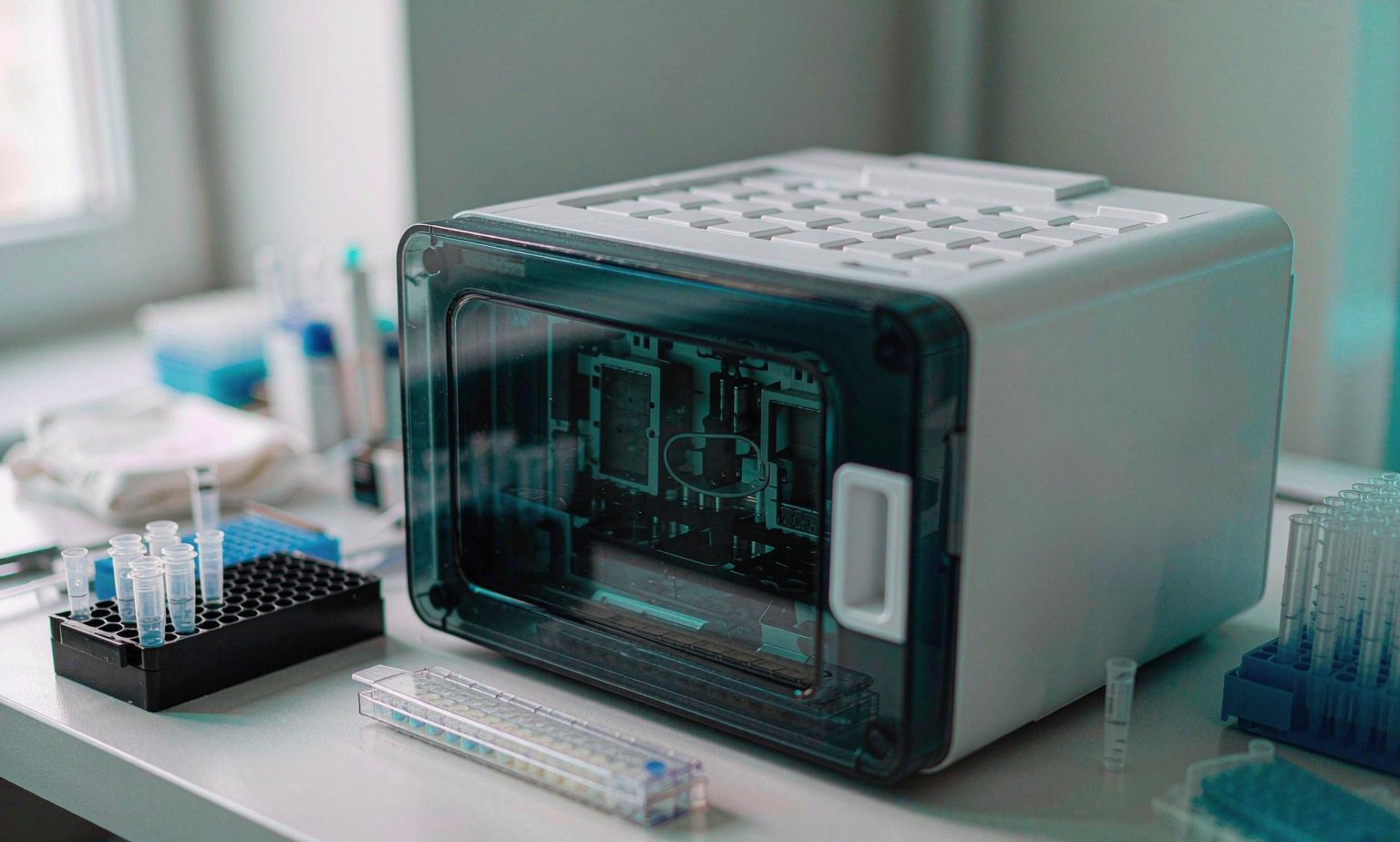
Key facts at a glance
- Analytes: methylated human SHOX2 and RASSF1A DNA, reported qualitatively
- Specimen: bronchoalveolar lavage fluid (BALF), bronchial aspirate, brush eluate
- Method: bisulfite conversion followed by multiplex real-time PCR with hydrolysis (TaqMan) probes and HotStart Taq polymerase
- Detection channels: RASSF1A (FAM), SHOX2 (VIC/HEX), internal control ACTB (CY5) — three channels read in a single tube
- Limit of detection: ≤ 250 copies per test
- Repeatability: Ct coefficient of variation ≤ 5%
- Turnaround time: approximately 6 hours from specimen to reported result
- Instrumentation: any real-time PCR platform with FAM, VIC/HEX and CY5 channels, including Roche LightCycler 480 and Applied Biosystems 7500
- Regulatory status: CE-marked IVD under Directive 98/79/EC (Annex III); registered with China's National Medical Products Administration (NMPA)
- Kit configurations: 20, 50 or 100 tests, in liquid or lyophilised format
The clinical problem: a lesion that imaging finds but cannot classify
Lung cancer remains the world's most frequently diagnosed cancer and its leading cause of cancer death. GLOBOCAN 2022 estimates 2.48 million new cases and 1.80 million deaths worldwide, accounting for 12.4% of all cancer diagnoses and 18.7% of all cancer deaths [1]. Overall five-year survival sits near 20.5%, while early-stage disease is highly curable — the gap is a detection gap rather than a treatment gap.
Low-dose CT (LDCT) screening does reduce mortality. The NELSON trial reported a substantial reduction in lung-cancer deaths at ten years with volume CT screening in high-risk participants [2]. The limitation of LDCT is specificity rather than sensitivity: applying Lung-RADS thresholds to the National Lung Screening Trial cut the baseline false-positive rate from 26.6% to 12.8%, but sensitivity fell from 93.5% to 84.9%, meaning a large share of "positive" screens ultimately prove benign [3].
When a suspicious lesion is sampled, cytology remains the reference standard for lavage and pleural fluid, but it is reader-dependent and its sensitivity varies widely. In a prospective 148-patient pleural-effusion cohort, cytopathological examination identified only 23.0% of malignancies [4]. An atypical or indeterminate report therefore frequently escalates to repeat imaging or to tissue biopsy, with the attendant cost, delay, and risks of bleeding, pneumothorax and infection.
What the assay measures: SHOX2 and RASSF1A methylation
The test targets two complementary epigenetic markers of malignant transformation. Both are measured as methylated DNA in the cellular fraction of a respiratory specimen and both are read quantitatively by Ct value rather than by visual impression.
SHOX2 is a homeobox transcription factor involved in growth and embryonic development. Aberrant SHOX2 promoter methylation is reported across multiple solid tumours and has been characterised as a diagnostic marker for lung cancer in bronchial aspirates, including in cases where cytological and histological findings after bronchoscopy are undetermined [5,6].
RASSF1A is a tumour-suppressor gene whose downstream targets span transcription, signal transduction, cell-cycle control, adhesion and apoptosis. Its silencing is driven mainly by promoter hypermethylation, loss of heterozygosity and chromosomal deletion, which makes methylation a natural way to detect its inactivation [7].
Why both markers rather than one. In the 148-patient pleural-effusion cohort cited above, SHOX2 alone detected 56.0% of malignancies and RASSF1A alone 44.0%, while the combined two-marker panel detected 74.0% [4]. Marker complementarity, not marker count, is what raises detection.

How the test works, and where it fits in the workflow
Bisulfite treatment converts unmethylated cytosine to uracil while leaving methylated cytosine unchanged, making the two methylation states sequence-distinguishable. The converted DNA is then amplified in a single tube using target-specific primers and hydrolysis probes on a HotStart Taq system, with three fluorescence channels read simultaneously: RASSF1A in FAM, SHOX2 in VIC/HEX, and the ACTB internal control in CY5.
Result interpretation follows the instructions for use. A RASSF1A Ct below 35, or a SHOX2 Ct below 32, is reported as methylation positive. The ACTB internal control must amplify adequately (Ct below 35) for the result to be valid — this separates a true negative from a failed specimen, which is the single most common source of unusable respiratory cytology. An external positive and negative control is run with each batch.
Workflow and logistics. Total turnaround is approximately six hours: roughly four hours for DNA extraction and bisulfite conversion, thirty minutes for post-conversion purification, ninety minutes for real-time PCR amplification, and Ct analysis. BALF specimens are stable for 2 months at 2–8 °C and 6 months at ≤ –20 °C, tolerate up to five freeze–thaw cycles, and remain valid for 4 days refrigerated or 7 days at ambient temperature during transport. No equipment beyond a 4-channel real-time PCR instrument is required.
Analytical performance
- Limit of detection: ≤ 250 copies per test, determined by serial dilution of methylated control material.
- Positive reference coincidence: 100% against RASSF1A and SHOX2 control material at 2,500 and 1,000 copies per test.
- Specific reference coincidence: 100% negative against healthy-donor leukocyte DNA, benign pulmonary disease DNA and bacterial DNA — no cross-reactivity observed.
- Repeatability: Ct coefficient of variation ≤ 5% across ten parallel replicates at 2,500 and 1,000 copies per test.
- Interference: none observed in samples deliberately containing blood or sputum-derived material.
- Robustness: performance verified over five freeze–thaw cycles and four days of cold-chain transport.
These figures describe the assay's own analytical behaviour and are stated in the product's instructions for use. The clinical value of the two markers in patient populations is addressed separately, below, by studies published in the peer-reviewed literature.
Clinical performance: methylation PCR compared with cytology
In the developer's multi-centre clinical evaluation, conducted across three tertiary referral centres, the two-marker panel was compared head-to-head with cytology on 1,001 clinical specimens — 592 diagnosed lung-cancer specimens and 409 specimens from patients with unclear lung cancer. Sensitivity was higher than cytology in every subgroup analysed.
| Patient group | n | Methylation PCR | Cytology | Difference |
|---|---|---|---|---|
| Lung cancer, all stages | 558 | 78% | 53% | +25 points |
| Stage I | 100 | 74% | 27% | +47 points |
| Stage II | 81 | 79% | 49% | +30 points |
| Stage III | 182 | 79% | 64% | +15 points |
| Stage IV | 145 | 81% | 66% | +15 points |
| Adenocarcinoma | 214 | 66% | 39% | +27 points |
| Squamous cell carcinoma | 163 | 88% | 69% | +19 points |
| Small cell carcinoma | 78 | 94% | 60% | +34 points |
| Central tumour location | 279 | 84% | 66% | +18 points |
| Peripheral tumour location | 253 | 74% | 41% | +33 points |
| Tumour ≤ 1.0 cm | 182 | 76% | 50% | +26 points |
Source: developer's multi-centre clinical evaluation dossier (three tertiary referral centres; 592 lung-cancer specimens and 409 unclear-lung-cancer specimens). This is the developer's own clinical documentation and has not been independently peer reviewed; it is presented separately from the published literature that follows.
Two further findings from the same evaluation are clinically relevant. First, sensitivity by specimen type was 94% in tissue, 91% in pleural fluid, 81% in alveolar lavage and 60% in sputum. Second, in an add-on analysis of 130 lung-cancer specimens, the panel was methylation positive in 98.2% of specimens cytology had already called positive (n = 58), in 100% of specimens cytology had called unclear (n = 35), and in 37.8% of specimens cytology had called negative (n = 37) — the population in which cytology offers no guidance at all.
One further observation concerns the methylation-positive patient with no baseline cancer diagnosis: of 82 such patients, 29 (35%) were diagnosed with lung cancer during 43 months of follow-up. A positive methylation result in an otherwise "clean" patient is therefore a signal to continue surveillance rather than to discharge.
Peer-reviewed evidence retrievable on PubMed
Independent of the developer's own dossier, the SHOX2 and RASSF1A methylation markers have been characterised in peer-reviewed English-language journals across multiple specimen types. Every study listed below is retrievable on PubMed under the identifier given, and full citations with DOIs appear in the reference list.
Pleural effusion
- In a prospective 148-patient pleural-effusion cohort published in Frontiers in Oncology, the SHOX2 and RASSF1A panel reached 74.0% sensitivity and 95.8% specificity, with a positive predictive value of 97.4% and an area under the ROC curve of 0.849 — against 23.0% sensitivity and an AUC of 0.615 for cytology in the same specimens. Extending the panel with two additional markers raised sensitivity to 85.0% at 93.8% specificity. (PMID 36176402) [4]
- A 2025 study in Clinica Chimica Acta evaluated SHOX2 and RASSF1A methylation as a supplementary diagnostic tool for lung-cancer-induced malignant pleural effusion in cases with uncertain pathological diagnosis, using methylation-specific PCR on 98 pleural-effusion samples. (PMID 40164346) [8]
- A 2024 study in Clinica Chimica Acta compared supernatants and matched cell pellets across 94 patients with malignant, benign and undefined pleural effusion, in order to identify the optimal specimen fraction for the assay. (PMID 38072300) [9]
Bronchoalveolar lavage and airway specimens
- A study of 322 patients in the Journal of Cancer compared SHOX2 and RASSF1A methylation in BALF against conventional cytology and serum CEA for lung-cancer diagnosis, in a cohort including 284 pathologically confirmed lung cancers. (PMID 29151944) [10]
- A study in Annals of Diagnostic Pathology assessed SHOX2 and RASSF1A methylation in BALF specifically for early lung-cancer diagnosis. (PMID 28325362) [11]
- A 2023 study in Medicine combined exfoliated tumour cell assessment with DNA methylation analysis in BALF. (PMID 37682182) [12]
- A 2026 study in Scientific Reports developed a multimodal model based on DNA methylation analysis in BALF for early lung-cancer detection. (PMID 42069810) [13]
Tissue, plasma and prognostic use
- A 251-sample FFPE study in Frontiers in Oncology reported 89.8% sensitivity and 90.4% specificity for the SHOX2 and RASSF1A panel in tissue, and found the degree of SHOX2 methylation to correlate with lung-cancer stage. (PMID 33425721) [14]
- A 2025 study in Molecular and Clinical Oncology examined SHOX2 and RASSF1A methylation in 50 tissue specimens, comprising 25 early-stage lung adenocarcinoma tumours and 25 paired non-tumour specimens, reporting significantly elevated methylation in tumour tissue. (PMID 41220796) [15]
- SHOX2 methylation has also been validated in blood-based formats: a 411-individual plasma study in the Journal of Thoracic Oncology reported 60% sensitivity and 90% specificity for discriminating malignant lung disease, and a subsequent triplex plasma panel study reported discrimination between malignant and non-malignant lung disease. These reports concern the SHOX2 marker in plasma rather than the BALF-based assay described here. (PMID 21694641; PMID 27544059) [16,17]
- SHOX2 methylation has been reported as an independent prognostic factor in non-small-cell lung cancer, and unmethylated RASSF1A has been associated with disease progression in patients receiving pemetrexed-based chemotherapy. (PMID 22555092; PMID 31839603) [18,19]
- Population-level marker data continue to accrue, including a 2022 report of SHOX2 methylation in Vietnamese patients with lung cancer. (PMID 35088378) [25]
Systematic reviews and meta-analyses
- A 2026 systematic review and meta-analysis in Oncology Reviews assessed the clinical value of combined SHOX2 and RASSF1A methylation in lung-cancer diagnosis across both tissue and liquid-biopsy samples. (PMID 42729364) [20]
- A 2024 systematic review and meta-analysis in Medicine examined the association of RASSF1A and SHOX2 methylation with lung-cancer risk. (PMID 39686414) [21]
- A 2021 meta-analysis update in Thoracic Cancer, together with earlier meta-analyses in OncoTargets and Therapy and the Asian Pacific Journal of Cancer Prevention, reported pooled diagnostic performance or risk associations for SHOX2 and RASSF1A promoter methylation. (PMID 34741433; PMID 26640383; PMID 25556469) [22,23,24]
- The signalling pathways and clinical applications of RASSF1A and SHOX2 in lung cancer were reviewed in the Journal of Cancer Research and Clinical Oncology in 2020. (PMID 32266538) [7]
Clinical use scenarios and who the test is for
Indeterminate pulmonary nodule
For a nodule detected on low-dose CT that does not meet the threshold for immediate biopsy, methylation testing adds an objective molecular result to a decision that would otherwise rest on imaging characteristics alone.
Cytology-negative or equivocal bronchoscopy
For the patient in whom lavage has been reported as negative or atypical but clinical suspicion persists. In the developer's add-on analysis, 37.8% of cytology-negative lung-cancer specimens were methylation positive, and 100% of specimens reported as cytology-unclear were positive.
Unexplained pleural effusion
For the differential diagnosis of malignant versus benign effusion — the setting in which cytology misses the largest proportion of malignancies, and where the two-marker panel has been most extensively studied in the peer-reviewed literature.
High-risk surveillance alongside low-dose CT
As a molecular layer on an existing imaging programme, without adding a new procedure. The US Preventive Services Task Force recommends annual LDCT screening for adults aged 50–80 years with at least 20 pack-years of smoking who currently smoke or have quit within 15 years [26].
Prognostic stratification and oncology follow-up
SHOX2 methylation has been reported as an independent prognostic marker in NSCLC, and RASSF1A methylation status has been associated with chemotherapy response, supporting use in stratification and follow-up rather than diagnosis alone. [18,19]
Who this test is for. The kit is intended for laboratory directors and molecular pathology managers, pulmonologists and interventional pulmonologists, respiratory oncologists, thoracic surgeons, hospital procurement teams and in vitro diagnostics distributors. It is a laboratory test, not a direct-to-consumer product.
What this test is not
Any laboratory evaluating this assay should weigh its deliberate limits, which are stated in the instructions for use and consistently reflected in the published literature.
- It is not a screening test. It does not replace low-dose CT and must not be used to decide who should be screened. Its role is to help resolve a lesion or an effusion that has already been identified.
- It does not replace cytology, histology or the clinician's diagnosis. Results support, and never establish, a diagnosis. A positive result warrants a full diagnostic work-up; a negative result does not exclude malignancy.
- It reports on two markers only, and as a qualitative call. Reported performance derives from cohorts of symptomatic or radiologically suspicious patients, and is not established for asymptomatic populations or for monitoring minimal residual disease.
- Reported sensitivity varies substantially by specimen and stage. Published sensitivity for the marker panel ranges from approximately 60% in plasma to approximately 90% in tissue, and from 74% to 88% in lavage-based studies depending on stage and tumour location. The assay adds information; it does not remove uncertainty.
- It does not identify tumour type or stage. A methylation-positive result indicates the presence of methylation signal, not the site, subtype or extent of disease.
Regulatory status, formats and availability
The kit is a CE-marked in vitro diagnostic device under Directive 98/79/EC (Annex III) and is registered with China's National Medical Products Administration (NMPA). It is supplied in 20-, 50- and 100-test configurations in both liquid format (stable at ≤ –20 °C for 9 months) and lyophilised format (stable at 2–30 °C for 12 months), the latter suited to shipment and storage where maintaining a cold chain is impractical. Full technical documentation — including the instructions for use, analytical performance data and the clinical evaluation dossier — is available to qualified laboratories on request.
Frequently asked questions
What does the test measure? The methylation status of the SHOX2 and RASSF1A genes in human DNA extracted from a respiratory specimen, reported qualitatively as methylation positive or negative using quantitative real-time PCR.
What sample is required? Bronchoalveolar lavage fluid, bronchial aspirate or brush eluate — in most cases the specimen already collected during a diagnostic bronchoscopy, so no additional procedure is required.
How long does it take? Approximately six hours from specimen to reported result, including DNA extraction and bisulfite conversion, purification, real-time PCR amplification and Ct analysis.
What equipment is needed? A standard real-time PCR instrument with FAM, VIC/HEX and CY5 detection channels, such as the Roche LightCycler 480 or Applied Biosystems 7500. No additional capital equipment is required.
How does it differ from cytology? Cytology is a morphological assessment interpreted by eye and is operator-dependent. This test is a quantitative PCR measurement with an automated Ct call. In a 148-patient pleural-effusion cohort, the two-marker panel reached 74.0% sensitivity versus 23.0% for cytology at comparable specificity [4].
Is it CE-marked? Yes — CE-marked as an in vitro diagnostic under Directive 98/79/EC (Annex III), and registered with China's NMPA.
Can it be run in an existing molecular laboratory? Yes. The assay uses the same bisulfite conversion and real-time PCR workflow that most molecular laboratories already perform, and adds a single multiplex reaction rather than a new platform.
References
Citation format: Vancouver (ICMJE). PubMed identifiers are given for every reference retrievable through PubMed.
- [1] Bray F, Laversanne M, Sung H, et al. Global cancer statistics 2022: GLOBOCAN estimates of incidence and mortality worldwide for 36 cancers in 185 countries. CA Cancer J Clin. 2024;74(3):229-263. doi:10.3322/caac.21834. PMID 38572751.
- [2] de Koning HJ, van der Aalst CM, de Jong PA, et al. Reduced Lung-Cancer Mortality with Volume CT Screening in a Randomized Trial. N Engl J Med. 2020;382(6):503-513. doi:10.1056/NEJMoa1911793. PMID 31995683.
- [3] Pinsky PF, Gierada DS, Black W, et al. Performance of Lung-RADS in the National Lung Screening Trial: a retrospective assessment. Ann Intern Med. 2015;162(7):485-491. doi:10.7326/M14-2086. PMID 25664444.
- [4] Liang C, Liu N, Zhang Q, et al. A detection panel of novel methylated DNA markers for malignant pleural effusion. Front Oncol. 2022;12:967079. doi:10.3389/fonc.2022.967079. PMID 36176402.
- [5] Song L, Yu H, Li Y. Diagnosis of Lung Cancer by SHOX2 Gene Methylation Assay. Mol Diagn Ther. 2015;19(3):159-167. doi:10.1007/s40291-015-0144-5. PMID 26014676.
- [6] Dietrich D, Kneip C, Raji O, et al. Performance evaluation of the DNA methylation biomarker SHOX2 for the aid in diagnosis of lung cancer based on the analysis of bronchial aspirates. Int J Oncol. 2012;40(3):825-832. doi:10.3892/ijo.2011.1264. PMID 22108652.
- [7] Li N, Zeng Y, Huang J, et al. Signaling pathways and clinical application of RASSF1A and SHOX2 in lung cancer. J Cancer Res Clin Oncol. 2020;146(6):1379-1393. doi:10.1007/s00432-020-03188-9. PMID 32266538.
- [8] Xie M, Zhao Y, Hou X, et al. SHOX2 and RASSF1A methylation in diagnosing malignant pleural effusion induced by lung cancer. Clin Chim Acta. 2025;572:120273. doi:10.1016/j.cca.2025.120273. PMID 40164346.
- [9] Zhang N, Li Y, Zhang H, et al. Performance of SHOX2 and RASSF1A methylation assay in supernatants and matched cell pellets for the diagnosis of malignant pleural effusion. Clin Chim Acta. 2024;553:117699. doi:10.1016/j.cca.2023.117699. PMID 38072300.
- [10] Zhang C, Yu W, Wang L, et al. DNA Methylation Analysis of the SHOX2 and RASSF1A Panel in Bronchoalveolar Lavage Fluid for Lung Cancer Diagnosis. J Cancer. 2017;8(17):3585-3591. doi:10.7150/jca.21368. PMID 29151944.
- [11] Ren M, Wang C, Sheng D, et al. Methylation analysis of SHOX2 and RASSF1A in bronchoalveolar lavage fluid for early lung cancer diagnosis. Ann Diagn Pathol. 2017;27:57-61. doi:10.1016/j.anndiagpath.2017.01.007. PMID 28325362.
- [12] Lu H, Lin D. Diagnostic value of exfoliated tumor cells combined with DNA methylation in bronchoalveolar lavage fluid for lung cancer. Medicine (Baltimore). 2023;102(36):e34955. doi:10.1097/MD.0000000000034955. PMID 37682182.
- [13] Liu J, You C, Bai L, et al. Multimodal modeling based on DNA methylation analysis in bronchoalveolar lavage fluid for early lung cancer detection. Sci Rep. 2026;16(1):20406. doi:10.1038/s41598-026-50119-8. PMID 42069810.
- [14] Shi J, Chen X, Zhang L, et al. Performance Evaluation of SHOX2 and RASSF1A Methylation for the Aid in Diagnosis of Lung Cancer Based on the Analysis of FFPE Specimen. Front Oncol. 2020;10:565780. doi:10.3389/fonc.2020.565780. PMID 33425721.
- [15] Chen Y, Zhang X, Li P, et al. Detection of SHOX2 and RASSF1A methylation for early-stage lung adenocarcinoma. Mol Clin Oncol. 2025;23(6):112. doi:10.3892/mco.2025.2907. PMID 41220796.
- [16] Kneip C, Schmidt B, Seegebarth A, et al. SHOX2 DNA methylation is a biomarker for the diagnosis of lung cancer in plasma. J Thorac Oncol. 2011;6(10):1632-1638. doi:10.1097/JTO.0b013e318220ef9a. PMID 21694641.
- [17] Weiss G, Schlegel A, Kottwitz D, et al. Validation of the SHOX2/PTGER4 DNA Methylation Marker Panel for Plasma-Based Discrimination between Patients with Malignant and Nonmalignant Lung Disease. J Thorac Oncol. 2017;12(1):77-84. doi:10.1016/j.jtho.2016.08.123. PMID 27544059.
- [18] Dietrich D, Hasinger O, Liebenberg V, et al. DNA methylation of the homeobox genes PITX2 and SHOX2 predicts outcome in non-small-cell lung cancer patients. Diagn Mol Pathol. 2012;21(2):93-104. doi:10.1097/PDM.0b013e318240503b. PMID 22555092.
- [19] Deng Q, Su B, Ji X, et al. Predictive value of unmethylated RASSF1A on disease progression in non-small cell lung cancer patients receiving pemetrexed-based chemotherapy. Cancer Biomark. 2020;27(3):313-323. doi:10.3233/CBM-190258. PMID 31839603.
- [20] Wang T, Zhang J, Wang J, et al. Clinical value of combined SHOX2 and RASSF1A methylation in lung cancer diagnosis across tissue and liquid biopsy samples: a systematic review and meta-analysis. Oncol Rev. 2026;20:1876563. doi:10.3389/or.2026.1876563. PMID 42729364.
- [21] Guo Y, Wu P, Liao Q, et al. Association of DNA methylation of RASSF1A and SHOX2 with lung cancer risk: A systematic review and meta-analysis. Medicine (Baltimore). 2024;103(50):e40042. doi:10.1097/MD.0000000000040042. PMID 39686414.
- [22] Zhou X, Lu X, Wu H, et al. Diagnostic performance of SHOX2 promoter methylation as biomarker for lung cancer identification: A meta-analysis update. Thorac Cancer. 2021;12(24):3327-3332. doi:10.1111/1759-7714.14206. PMID 34741433.
- [23] Zhao QT, Guo T, Wang HE, et al. Diagnostic value of SHOX2 DNA methylation in lung cancer: a meta-analysis. Onco Targets Ther. 2015;8:3433-3439. doi:10.2147/OTT.S94300. PMID 26640383.
- [24] Huang YZ, Wu W, Wu K, et al. Association of RASSF1A promoter methylation with lung cancer risk: a meta-analysis. Asian Pac J Cancer Prev. 2014;15(23):10325-10328. doi:10.7314/apjcp.2014.15.23.10325. PMID 25556469.
- [25] Vo TTL, Nguyen TN, Nguyen TT, et al. SHOX2 methylation in Vietnamese patients with lung cancer. Mol Biol Rep. 2022;49(5):3413-3421. doi:10.1007/s11033-022-07172-z. PMID 35088378.
- [26] US Preventive Services Task Force. Screening for Lung Cancer: US Preventive Services Task Force Recommendation Statement. JAMA. 2021;325(10):962-970. doi:10.1001/jama.2021.1117. PMID 33687470.
Note on sources: references [1]–[4] and [6]–[26] are independent, publicly retrievable peer-reviewed publications, guideline documents or consensus statements. Reference [5] is a peer-reviewed publication. The multi-centre clinical evaluation figures presented in the performance table are the developer's own clinical dossier and are labelled as such above; they have not been independently peer reviewed. Several published studies of the SHOX2 and RASSF1A markers were conducted with participation of an assay developer; the systematic reviews and meta-analyses at references [20]–[24] are independent of it. Manufacturer names, trademarks, catalogue numbers, certificate numbers and authorised-representative details are deliberately omitted from this communication.
About Red Sun Medizone
Red Sun Medizone (RED SUN MEDI ZONE LIMITED) is a Hong Kong-based supplier of medical devices and in vitro diagnostic products serving hospitals, laboratories and distributors internationally. Its portfolio spans molecular diagnostics for oncology, critical-care and surgical equipment, patient monitoring, and laboratory instrumentation. The company supports customers with technical documentation, validation planning and application training.
Media and technical enquiries
Red Sun Medizone — Sales and Technical Enquiries
Mr. Matt Hou, Sales Manager
Email: [email protected]
Web: www.redsunmedizone.com
Unit 18, 8/F, Peter Leung Industrial Building, 103 Wai Yip Street, Kwun Tong, Hong Kong, China
Mr. Matt Hou, Sales Manager
Email: [email protected]
Web: www.redsunmedizone.com
Unit 18, 8/F, Peter Leung Industrial Building, 103 Wai Yip Street, Kwun Tong, Hong Kong, China
This press release describes an in vitro diagnostic device intended for laboratory use. It is not a statement of clinical efficacy for any individual patient, and every performance figure quoted is drawn from the sources cited. The product is manufactured in accordance with CE-marked in vitro diagnostic requirements; manufacturing, regulatory and technical documentation is available to qualified purchasers on request.
Related reading: DNA methylation testing across oncology indications
This article is part of a series on the clinical use of DNA methylation testing. The other articles in the series, and the product page corresponding to the technology described in this article, are listed below.
- Cervical cancer: PAX1 and JAM3 dual-gene methylation testing for cervical cancer triage and the management of HPV-positive women
- Endometrial cancer: CDO1 and CELF4 dual-gene methylation testing for endometrial cancer in women with abnormal uterine bleeding
- Ovarian cancer: CDO1 and HOXA9 dual-gene methylation testing for ovarian cancer detection and pelvic mass triage
- Colorectal cancer: Methylated SEPT9 DNA blood test for colorectal cancer screening and pre-colonoscopy triage
Related product: SHOX2 and RASSF1A DNA Methylation Detection Kit (Real-Time PCR)